
LoongCollector: High-Performance Observability Agent
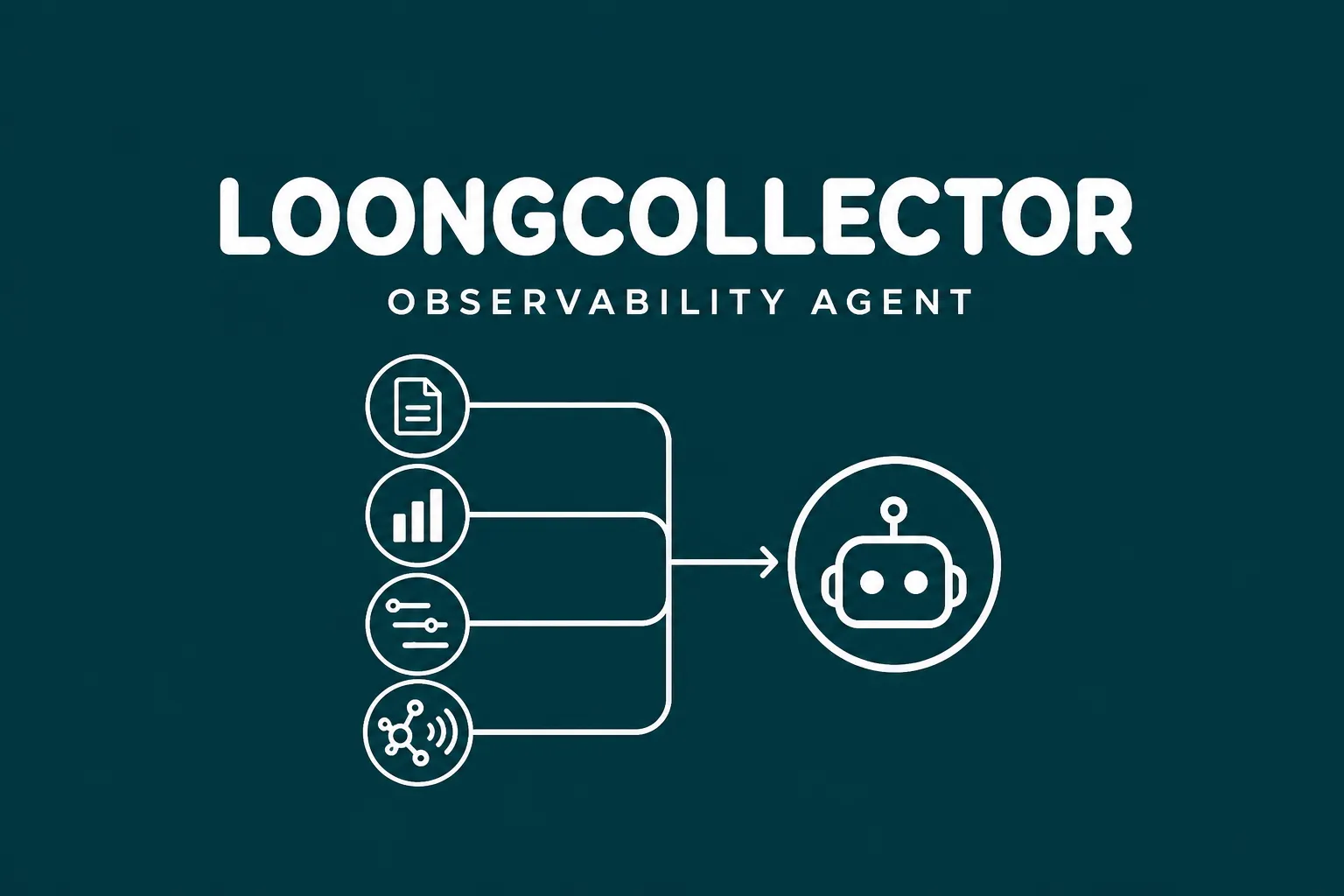
Telemetry collection looks simple until every node, container, workload, and parser starts competing for CPU and memory. LoongCollector is worth watching because it focuses on the part of observability teams feel every day: collecting more signal without turning the collector itself into the bottleneck.
What Is LoongCollector?
LoongCollector is an open-source observability data collector from Alibaba. It is part of LoongSuite, Alibaba's unified observability collection stack, and is designed as a universal node agent for modern cloud-native environments.
The project positions itself as fast, lightweight, and production-tested. Its README says the collector comes from Alibaba's 15-year observability journey, powers large-scale deployments, and is built for logs, Prometheus metrics, traces, events, profiles, Kubernetes environments, and eBPF-based network and security collection.
For SRE teams, the interesting part is not only raw throughput. It is the idea of consolidating collection paths. A single agent can reduce duplicated DaemonSets, overlapping parsers, and inconsistent routing rules across clusters.
Key Features
- Unified collection for logs, metrics, traces, events, profiles, and security signals
- Native Kubernetes support for node-level deployment patterns
- eBPF-powered network monitoring and security event collection
- Pluggable architecture with a large built-in plugin surface
- Remote configuration, self-monitoring, flow control, resource control, and pipeline statistics
Installation
The repository documents a source build path for local testing:
git clone https://github.com/alibaba/loongcollector.git
cd loongcollector
git submodule update --init
make all
cd output
nohup ./loongcollector > stdout.log 2> stderr.log &
There is also a Docker path for building and running an image:
make dist
make docker

docker run -d --name loongcollector \
  -v /:/logtail_host:ro \
  -v /var/run:/var/run \
  alibaba/loongcollector:0.0.1
For production, use the official installation guide and pin the version you test in staging. Collector upgrades touch every workload indirectly, so they deserve the same rollout discipline as node agents and CNI components.
Usage
Start with one narrow pipeline. For example, collect a small set of container logs or node metrics, route them to your normal backend, and watch LoongCollector's own resource usage before widening the scope.
The operational goal is boring repeatability. Define collection profiles for common node roles, keep parser rules in reviewable config, and document which teams own the destination backends. If you enable eBPF network or security signals, align that with your cluster access model because packet and process context can include sensitive data.
Operational Tips
Treat telemetry agents as production infrastructure. Set CPU and memory budgets, alert on dropped data, and keep a rollback plan for new parser rules. High-throughput collectors can hide bad configuration for longer, but they cannot fix unbounded cardinality, noisy logs, or unclear ownership.
LoongCollector is especially interesting for teams that already run several agents per node. It gives them a reason to evaluate consolidation without giving up Kubernetes, metrics, logs, or lower-level eBPF signals.
Conclusion
LoongCollector is a practical project for SRE teams that need more efficient observability collection at fleet scale. Its Alibaba background, broad signal coverage, and focus on resource efficiency make it a strong candidate for labs, performance tests, and future collector consolidation work.
Akmatori helps SRE teams automate infrastructure operations with AI agents built for real production workflows. For reliable cloud and edge infrastructure, check out Gcore.