Kubernetes PodGroup Scheduling for SRE Teams
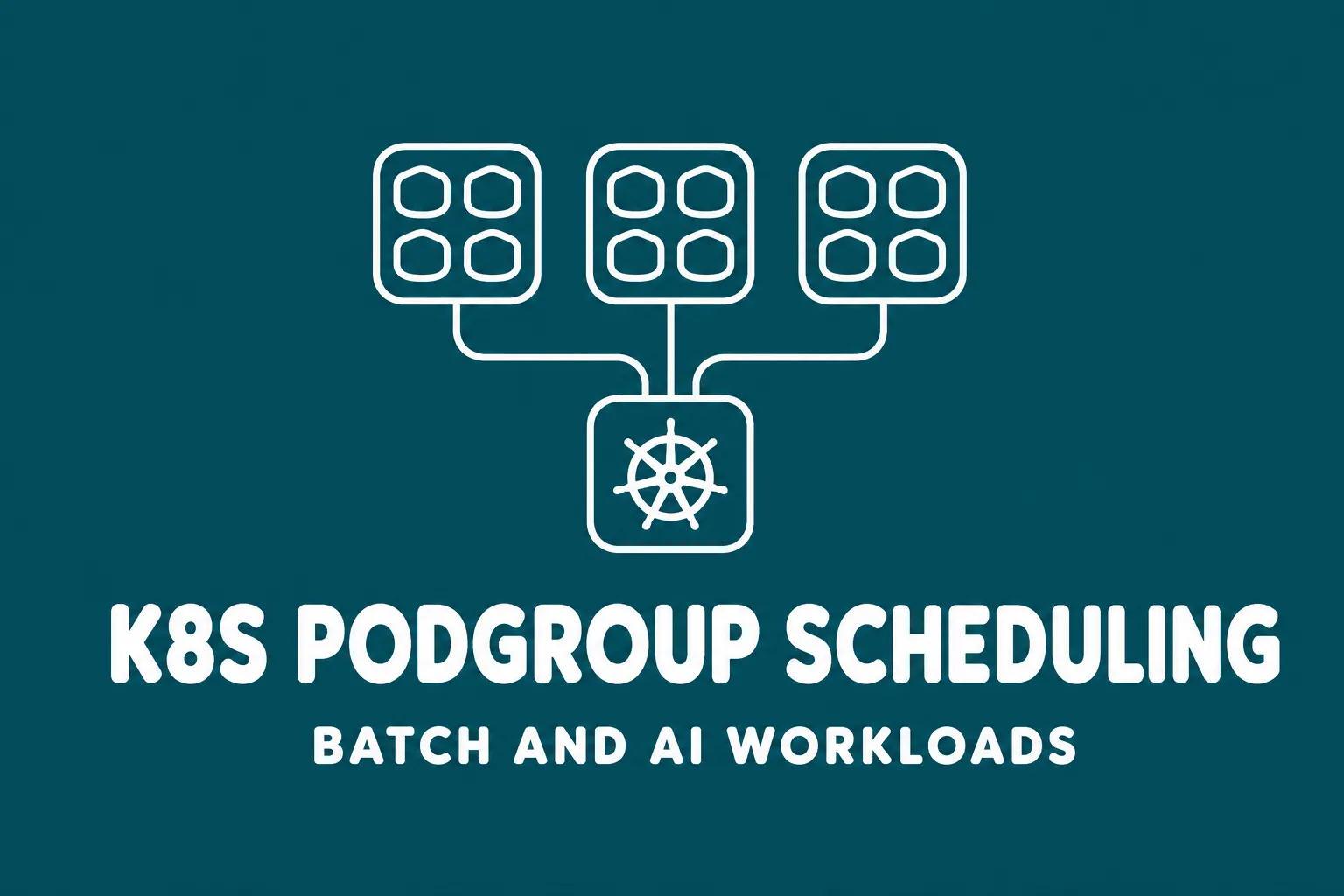
Batch and AI workloads are awkward when the scheduler treats every Pod as a separate decision. A training job may need four workers at once. A distributed batch job may need Pods in the same rack. If only half the group starts, the cluster wastes capacity and the application waits. The Kubernetes v1.36 workload-aware scheduling update is aimed at that exact problem.
What Is PodGroup Scheduling?
PodGroup scheduling lets Kubernetes reason about a set of related Pods as one scheduling unit. In v1.36, the Workload API becomes a static template and PodGroup holds runtime scheduling state. That split makes scheduler behavior cleaner because the scheduler can read the live PodGroup object instead of unpacking everything from the template.
The work is part of upstream Kubernetes, and it matters most for batch platforms, AI training systems, and queue controllers that need all-or-nothing placement.
Key Features
- PodGroup runtime objects track scheduling state for related Pods
- Gang scheduling can hold a group until the required
minCountcan run - The scheduler evaluates a PodGroup against one cluster snapshot
- Topology-aware scheduling can target domains such as racks or zones
- Workload-aware preemption can treat the whole PodGroup as the preemptor
That model reduces partial scheduling. Instead of binding one Pod, waiting, and discovering that the rest cannot fit, Kubernetes can evaluate the group together and either move schedulable members forward or return the group to the queue.
Example Shape
A controller can create a PodGroup with a gang policy when a workload needs multiple replicas to start together:
apiVersion: scheduling.k8s.io/v1alpha2
kind: PodGroup
metadata:
  name: training-workers
spec:
  schedulingPolicy:
    gang:
      minCount: 4
Pods then reference the runtime group through schedulingGroup. The important operational point is that the group now has a status object and scheduling conditions, which gives platform teams something concrete to inspect during incidents.
Why SRE Teams Should Care
This is a scheduling reliability feature, not just an API cleanup. It helps when expensive workloads sit pending, consume partial capacity, or fail because related Pods landed too far apart.
For AI platforms, topology constraints can keep workers closer to the right network path. For batch platforms, gang scheduling helps avoid half-started jobs. For shared clusters, workload-aware preemption creates room for a whole group instead of making isolated Pod-by-Pod decisions.
Operational Tips
Treat these APIs as early platform primitives. They are powerful, but v1.36 still documents limitations for heterogeneous groups and groups with inter-Pod dependencies. Test realistic workloads before promising perfect placement.
Add dashboards for pending PodGroups, failed placement attempts, preemption events, and topology constraint misses. If a training job cannot start, the on-call engineer should see whether the blocker is capacity, topology, quota, or an API version mismatch.
Also watch the relationship with Dynamic Resource Allocation. Kubernetes v1.36 connects ResourceClaims to PodGroups, which is important for GPU and accelerator workflows. Keep driver versions, scheduler features, and workload manifests aligned.
Conclusion
PodGroup scheduling is a sign that Kubernetes is becoming more honest about modern workloads. Distributed jobs need group-level placement, capacity checks, and failure signals. For SRE teams running batch, AI, or accelerator-heavy platforms, v1.36 is worth a focused lab test.
At Akmatori, we build AI agents for SRE teams that help investigate alerts, inspect infrastructure, and automate operational workflows. If you need a resilient cloud and edge foundation for Kubernetes platforms, explore Gcore for infrastructure that pairs well with production workloads.